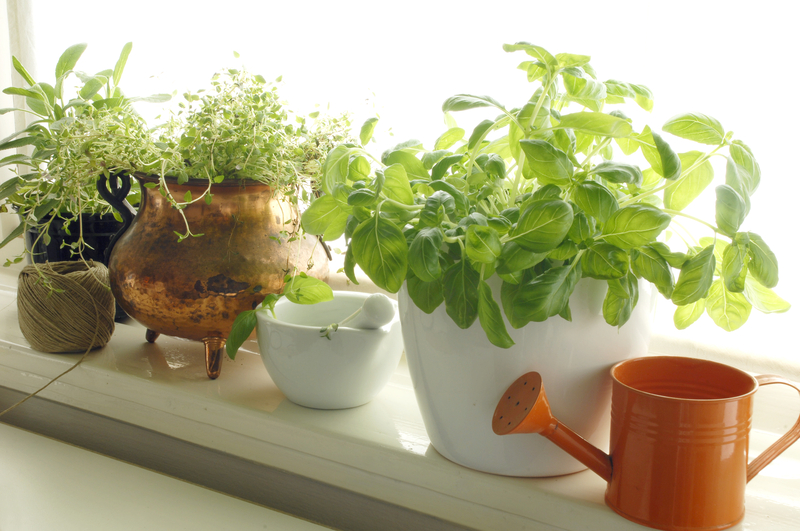
Craft an Intimate Lounge Area with Tall-Potted Plants for Garden Privacy
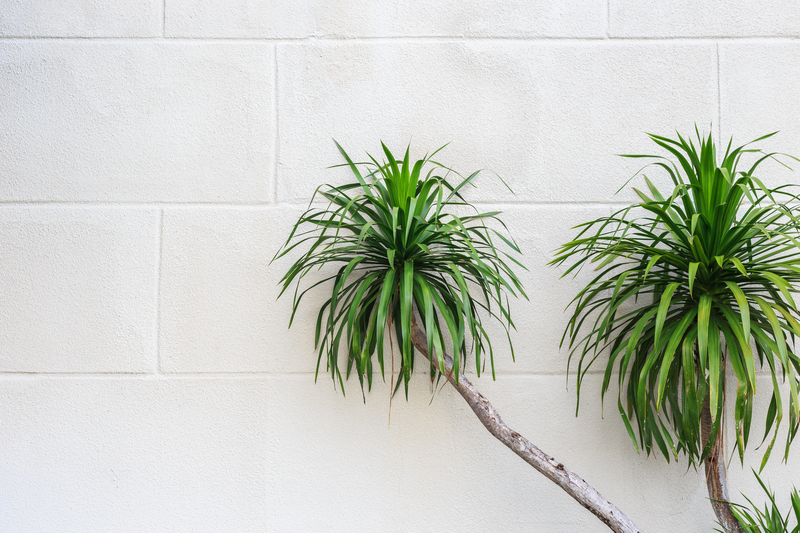
Imagine stepping into your garden and feeling instantly cocooned. Leaves whispering, the scent of jasmine drifting on a soft breeze, the city suddenly a gentle hum beyond a living green wall. That's the magic when you craft an intimate lounge area with tall-potted plants for garden privacy. It's not just screening; it's serenity on demand, style without hard boundaries, and--let's face it--a way to make even a small patio feel like a private members' club.
Whether you've got a tiny London terrace, a suburban courtyard, or a windswept balcony, tall planters and container-grown screening plants can transform your space quickly and elegantly. In our experience designing urban gardens for 15+ years, you'll see the biggest wins when you combine smart plant selection with well-sized planters, good soil, and subtle styling. Clean, clear, calm. That's the goal.
Table of Contents
- Why This Topic Matters
- Key Benefits
- Step-by-Step Guidance
- Expert Tips
- Common Mistakes to Avoid
- Case Study or Real-World Example
- Tools, Resources & Recommendations
- Law, Compliance or Industry Standards (UK-focused)
- Checklist
- Conclusion with CTA
- FAQ
Why This Topic Matters
Privacy is more than not being seen. It's the feeling of safety, comfort and ease that turns a garden into a genuine room. When you craft an intimate lounge area with tall-potted plants for garden privacy, you're choosing flexible architecture--green architecture--that adapts with the seasons and your life. Hard fences can be stark and fixed. Plants breathe, soften, and soothe.
Urban living often means shared walls, overlooking windows, and that odd moment when you lock eyes with a neighbour just as you take your first sip of morning coffee. Tall planters full of bamboo, pleached evergreens, or climbers on trellises create instant screening without planning headaches, and--truth be told--they look far better than a hastily erected panel fence.
A small moment: one damp Tuesday in March, it was raining hard outside and we were setting a pair of narrow GRP planters by a patio door. As the first clump of Fargesia robusta went in, the client whispered, "It already feels quieter." Was it a full decibel drop or the mellowing effect of seeing green? Both matter. Both help.
Key Benefits
- Immediate privacy: Tall potted plants and container hedging deliver screening from day one, no waiting years for a hedge to knit together.
- Flexibility and mobility: Move planters to track the sun, reshape your lounge layout for a party, or adjust the sight lines when a new neighbour arrives.
- Design impact: Vertical greenery frames a seating area, making even small patios feel layered, purposeful, and, yes, a bit luxurious.
- Acoustic and psychological comfort: Dense foliage can slightly reduce noise and, more importantly, mask it. The hiss of bamboo leaves--relaxing.
- Seasonal adaptability: Combine evergreen structure with seasonal layers--ornamental grasses for movement, climbers for scent, and bulbs at the base for spring joy.
- No major construction: Avoid the disruption of new fencing or walls. Containers don't usually require permission and can sit over services.
- Balcony-friendly solutions: Lightweight planters and measured loads let you create privacy higher up, too--just mind the building's rules and safety (we'll get there).
Ever tried clearing a room and found yourself keeping everything? Plants help you choose. They frame the view you want and gently hide the rest. It's kinda wild how effective that is.
Step-by-Step Guidance
Here's a clear path to craft an intimate lounge area with tall-potted plants for garden privacy, from audit to aftercare.
1) Audit Your Privacy Gaps and Desired Atmosphere
- Stand where you'll sit: Place a chair where your lounge will be. At seated height, scan for overlooking windows or awkward sightlines. Take photos.
- Mark priority screens: Draw arrows to indicate where screening is most needed--north fence? Upstairs flat across the way? The shed window?
- Define mood: Cosy reading nook? Cocktail corner? Family chat spot? The ambience you choose informs plant texture and scent. Think: jasmine for evenings, grasses for movement, evergreen for calm.
Micro moment: You could almost smell the cardboard dust in the air as we unboxed a tall trellis panel one sunny April morning--one panel--and the patio felt like a room.
2) Measure and Choose the Right Planter Sizes
- Height matters: To screen a typical seated eye-line (about 1.1-1.3 m) from a neighbouring window, you'll want planters with plants reaching 1.8-2.2 m minimum.
- Volume = stability + root health: As a rule of thumb, target 60-120 litres per tall plant (more for small trees). Narrow troughs work; just ensure depth of 35-45 cm or more for bamboos and hedge-formers.
- Material: GRP/fibreglass (lightweight, durable), powder-coated aluminium (sleek, long-lasting), Corten steel (characterful, heavier), or frost-resistant ceramic (lovely, but heavy). On balconies, weight is king.
3) Select Plants for Privacy, Texture, and Care Level
Pick varieties suited to UK conditions and the light levels in your space. Mix evergreen structure with seasonal interest for year-round appeal.
- Clumping bamboo (Fargesia): Fargesia robusta, F. nitida, or F. murielae. Non-invasive, upright, elegant. Gentle rustle in the wind. Avoid running types (like Phyllostachys) in small spaces unless you're prepared for heavy-duty containment.
- Container hedging: Prunus laurocerasus 'Novita' (laurel), Griselinia littoralis (glossy green, coastal-friendly), Elaeagnus ebbingei (tough, silvered), or Photinia x fraseri 'Red Robin' (colourful flushes). Pleached forms offer height without bulk.
- Upright evergreens and small trees: Cupressus sempervirens (Italian cypress, for drama), Olea europaea (olive, bright leaves, sculptural), or Ilex crenata (box alternative) in tight columns.
- Climbers on trellis: Trachelospermum jasminoides (star jasmine; evergreen, scented), Hedera helix (ivy; reliable, but keep tidy), Akebia quinata (chocolate vine; semi-evergreen) for vertical screening.
- Ornamental grasses: Miscanthus sinensis cultivars, Calamagrostis x acutiflora 'Karl Foerster' (upright), and Pennisetum for softness and sound. Great as a mid-layer.
- Fragrance layers: Dwarf lavender, thyme, and mint near seating; Osmanthus for discreet sweetness. You'll notice the difference on summer evenings.
Light notes: In shade, choose Fargesia, Aucuba japonica, Skimmia, or ivy. In full sun, olives, cypress, and Trachelospermum thrive with regular water.
4) Soil, Drainage, and Anchoring
- Drainage layer: A thin layer of lightweight clay pebbles or coarse grit above the drainage holes. Don't overdo it; better to improve the whole mix.
- Soil mix: A premium peat-free container compost with added bark fines for structure, 10-20% horticultural grit for drainage, and slow-release fertiliser. For bamboos, add water-retentive granules.
- Anchoring: Tall plants can act like sails. Use plant ties to discrete trellis supports, add internal bracing stakes, or choose heavier planters. On balconies, consider planters with integrated anchor points.
5) Planting Technique
- Pre-soak root balls, especially bamboo and hedging.
- Position plants at the same depth as their nursery pot--no deeper. Avoid burying the crown.
- Backfill with your mix, firming gently to remove air pockets without compacting.
- Create a shallow watering basin at the top and finish with a 3-5 cm mulch layer (bark or decorative gravel).
6) Irrigation and Water Management
- Drip irrigation kits on a simple timer are game-changers; they reduce waste and keep moisture consistent. Use pressure-compensating drippers.
- Water butt + gravity feed for sustainable watering in ground-level gardens; add a filter to avoid clogged emitters.
- Winter watering: Evergreens still transpire. Water lightly during dry, cold spells. Plants in wind tunnels dry quicker than you think.
7) Style the Lounge Area
- Seating: Low-profile outdoor sofa or two club chairs with a weatherproof rug to define the zone. Keep lines simple; let the foliage do the talking.
- Lighting: Warm-white festoon lights, low-glare spike lights uplit through grasses, and a small lantern on the table. Soft, not stadium.
- Accents: A side table for drinks, a throw for chilly nights, and cushions in muted tones--sage, charcoal, sand. It's the little things.
Settle in at dusk. Hear the leaves? Feel the temperature drop a touch, the scent lift? That's your room now.
8) Ongoing Care
- Feeding: Slow-release fertiliser in spring; liquid feed during peak growth if needed.
- Grooming: Lightly trim hedging and bamboo culms to keep a crisp line. Remove dead or damaged growth. Calm, regular care beats big annual hacks.
- Repotting: Top-dress annually; upsize containers every 3-5 years where roots demand it.
Expert Tips
- Layer vertically: Troughs with bamboo at the back, mid-height shrubs in the middle, and groundcover/herbs at the front create depth and soften planter edges.
- Use sightline "pinch points": If one window overlooks you, position a single, taller feature plant directly between you and that window. A tiny move, huge effect.
- Choose clumping bamboo only: The RHS advises clumping species for small gardens; they're easier in containers and less likely to misbehave.
- Go narrow, go tall: Deep, narrow planters make the most of tight patios. Just mind wind exposure--add discreet trellis and ties for stability.
- Hush the space: Add a small bubbler or wall fountain. It doesn't make the world silent, but it masks harsh sounds. Your mind relaxes--its honest-to-goodness soothing.
- Test before committing: Use cardboard mock-ups of planters to test layout. You'll be surprised how often you adjust by 10 cm and it changes everything.
- Season-proof textiles: Quick-dry cushions and a storage box save faff. Wet cushions are the enemy of impromptu evenings.
Yeah, we've all been there: buying five random plants and hoping they'll behave. A plan beats impulse every time.
Common Mistakes to Avoid
- Undersized planters: Small pots dry out fast and topple in wind. If in doubt, size up.
- Choosing invasive bamboo: Running bamboo can escape; in containers it can still cause root pressure issues. Stick to Fargesia.
- Neglecting drainage: Blocked holes = waterlogged roots. Use feet or spacers to keep planters off the paving.
- Overwatering: Especially in shade. Check moisture with a finger or a simple meter before watering.
- Ignoring wind exposure: A south-west wind corridor can flatten tall grasses and dry olives. Anchor and choose species accordingly.
- Forgetting winter care: Evergreens need occasional water in dry winters; pots can freeze. Bubble wrap or moveable screens help in cold snaps.
- Bottle-neck layouts: Leave 60-80 cm clear for movement. If you have to shimmy sideways with a tray of drinks--rethink.
Ever tried to relax while a planter wobbles in a gale? Not ideal. Take five minutes to secure it, and future-you will be grateful.
Case Study or Real-World Example
Project: Small London terrace, 5 m x 3 m, overlooked by three neighbouring windows. The brief: Craft an intimate lounge area with tall-potted plants for garden privacy without darkening the space.
- Layout: Two 120 cm x 40 cm x 80 cm GRP troughs aligned along the back edge of the seating zone; a 180 cm trellis panel fixed to planters, not walls. A bistro table and two lounge chairs with a low fire bowl.
- Planting: Fargesia robusta (3 per trough), underplanted with Heuchera 'Caramel' and creeping thyme for scent. Side planters with Trachelospermum jasminoides on trellis near the door for aroma.
- Irrigation: 4 L/h drippers on a battery timer, with a small water butt feed. Mulch with dark bark for moisture retention.
- Result: Instant 2 m green screen, soft movement, and a "window cut" to the nicest view--a favourite tree down the street. The client texted that night: "It's like my living room exhaled."
Cost-wise, this sat mid-range: the planters were the splurge, but they'll last a decade-plus. Maintenance now is a quiet 15 minutes on Sunday. Tea in one hand, secateurs in the other.
Tools, Resources & Recommendations
- Planters: High-quality GRP/fibreglass troughs (lightweight, frost-proof), powder-coated aluminium for sleek looks, or Corten steel for a warm, rusty patina.
- Soil and amendments: Peat-free container compost, horticultural grit, slow-release fertiliser, bark mulch.
- Irrigation: Micro-drip kits with pressure-compensating drippers (2-4 L/h), a hose splitter, and a timer. Consider a filter if feeding from a water butt.
- Support: Trellis panels that slot into planters, discreet galvanised stakes, soft ties, planter feet to raise drainage points.
- Tools: Hand trowel, long-spout watering can, secateurs, soil moisture meter (basic is fine), and a level to align planters.
- Plant sources: Reputable UK nurseries and RHS plant finder listings. Look for robust root systems and consistent form.
- Learning: RHS advice pages on bamboo, climbers, and container care; London Fire Brigade guidance on balcony safety; local council planning portals for boundary info.
Pro pick: If wind is an issue, aluminium planters with internal ballast compartments keep weight neat and low without looking bulky.
Law, Compliance or Industry Standards (UK-focused)
Planning and boundary rules in the UK can be nuanced. Here's the practical, plain-English version:
- Fence heights: Generally, fencing over 2 m requires planning permission. However, plants are not subject to a fixed height limit the way fences are.
- High hedges: The Anti-social Behaviour Act 2003 (Part 8) gives councils powers on "high hedges" that are predominantly evergreen/semi-evergreen and over 2 m, if they cause unreasonable obstruction of light or amenity. If you pot-up a super-dense evergreen screen that is causing issues, neighbours can complain to the council. Moral: be considerate, discuss, and design with light in mind.
- Shared boundaries: Keep planters on your land and ensure irrigation doesn't run off into neighbouring property. Common-sense counts.
- Balcony loading: Typical design loadings for residential balconies in the UK are often around 2.0-2.5 kN/m?, but always check your building's guidance or a structural engineer. Wet compost is heavy. Don't guess.
- Fire safety on balconies: Many managing agents reference UK building and fire safety guidance. The London Fire Brigade advises minimising combustible materials and keeping escape routes clear. Avoid placing barbecues or fire bowls on balconies and keep plant material well maintained (no dry thatch build-up).
- Tree work: If you place small trees in containers, any pruning should follow good practice. The UK standard BS 3998 (Tree Work - Recommendations) is the professional benchmark. For protected trees (TPOs) or conservation areas, seek permission before pruning--even in a pot if roots are in the ground nearby.
- Water use: Water butts and efficient irrigation align with UK water-efficiency aims. During hosepipe bans, drip systems may be restricted; check your water company's rules.
To be fair, most people never hit compliance snags with potted screening. It's about being sensible, neighbourly, and mindful of safety.
Checklist
- Goals set: What do you want to hide, and what do you want to frame?
- Measurements taken: Height, width, and door clearances for moving planters in.
- Planter sizes chosen: Minimum 35-45 cm depth; 60+ litres per tall plant.
- Plant palette: Evergreen backbone + seasonal layers + scent.
- Drainage: Holes clear, planters on feet, soil mix ready.
- Anchoring: Ties, stakes, or integrated trellis to manage wind.
- Irrigation: Drip kit or clear manual watering plan.
- Lighting: Warm-white, low-glare, switched or solar as fits.
- Textiles and surfaces: Rug, cushions, side table, non-slip underfoot.
- Maintenance rhythm: Feed in spring, trim lightly, check water weekly.
Conclusion with CTA
When you craft an intimate lounge area with tall-potted plants for garden privacy, you're doing more than adding screens. You're editing your environment. You're saying yes to late-night talk and early-morning quiet, to a small sanctuary that flexes with your life. It doesn't need to be perfect on day one--gardens get better as you live in them. A few good choices, a bit of care, and that lovely hush arrives.
Get a free quote today and see how much you can save.
And if today you only place one planter and one chair, that's still a beginning. Breathe. You've made space for yourself.
FAQ
What are the best tall-potted plants for instant privacy in the UK?
For fast, reliable screening in containers, choose clumping bamboos like Fargesia robusta, evergreen climbers such as Trachelospermum jasminoides on trellis, and container hedging like Griselinia littoralis or Photinia 'Red Robin'. Mix in upright grasses (Calamagrostis) for movement.
How big should my planters be for privacy plants?
Aim for 35-45 cm minimum depth and 60-120 litres per tall plant. Larger volumes stabilise plants, reduce watering frequency, and prevent toppling. For small trees, go bigger--150-250 litres if space allows.
Can I use bamboo without it becoming invasive?
Yes--pick clumping species like Fargesia, not running types such as many Phyllostachys. In containers, clumpers stay tidy. Use quality compost, steady moisture, and yearly top-dressing.
Will tall planters blow over in wind?
They can if undersized or poorly anchored. Choose heavier materials or add internal ballast, place planters on level ground, tie plants to discreet supports, and avoid creating a wind tunnel. In exposed sites, lower the centre of gravity and select wind-tolerant species.
Do I need planning permission for tall plants used as screens?
Generally, no. Plants aren't height-limited like fences. However, very dense, tall evergreen screens can fall under "high hedge" complaints if they cause significant issues. Be considerate and design with light and neighbours in mind.
How often should I water potted privacy plants?
In summer, check every 2-3 days; in heatwaves, daily. In winter, water lightly during dry spells--evergreens still need moisture. A drip system on a timer saves time and water, keeping conditions consistent.
Can I create privacy on a balcony safely?
Yes--use lightweight planters (GRP/aluminium), measure loads, and confirm your building's balcony rules. Keep escape routes clear, avoid fire risks, and anchor planters so they can't topple or shift in wind.
What's the best soil mix for tall planters?
A peat-free container compost with added bark fines for structure, 10-20% horticultural grit for drainage, and a balanced slow-release fertiliser. For thirsty plants like bamboo, add water-retentive granules.
How do I stop neighbours seeing into my seating area without blocking all the light?
Place a targeted tall planter directly in the key sightline (the "pinch point") and use lighter, airy species like bamboo or trained jasmine elsewhere. You'll block views while keeping sunlight and airflow.
Are pleached trees suitable in containers for privacy?
Yes--with the right container size (ideally 150+ litres) and regular watering and feeding. Pleached Photinia, Griselinia, or evergreen magnolia can create elegant, slim privacy "screens."
Do tall-potted plants actually reduce noise?
Dense planting can modestly reduce noise and, crucially, mask it with rustling leaves and water features. The psychological benefit is real even if the raw decibel drop is small.
What's the easiest scented plant for evening lounges?
Trachelospermum jasminoides (star jasmine). It's evergreen, beautifully fragrant on warm nights, and perfect on a trellis behind seating.
How do I keep containers from staining my patio?
Use planter feet or spacers for airflow and drainage, choose planters with clean base edges, and place saucers only when necessary--empty them after heavy rain to prevent marks and waterlogging.
Can I mix edible plants with privacy planting?
Absolutely. Tuck in herbs like thyme, mint, and rosemary at the front of planters. They add scent, texture, and flavour. Just ensure plenty of sun and consistent watering.
How long will my container privacy planting last?
With good care--years. Expect to top-dress annually and repot or root-prune every 3-5 years depending on the species. Quality planters often last a decade or more.
What's a quick-start combo for a small patio?
Two tall troughs with Fargesia robusta, a narrow trellis with star jasmine near seating, and a low-maintenance rug and lantern. Instant lounge, minimal fuss.
Can I move planters easily once planted?
Large planters get heavy fast. Fit heavy-duty castors, use planter trolleys, or set them on dolly boards before planting. If you're unsure, decide the final spot first--your back will thank you.
Do I need to feed privacy plants in containers?
Yes. Use a slow-release fertiliser in spring and supplement with liquid feeds during peak growth if leaves pale. Container plants rely on you for nutrients.
What's the safest way to prune container hedging for neatness?
Little and often. Trim soft growth a few times through the season, avoiding harsh cuts in late autumn. Keep tools clean and sharp, and follow principles in BS 3998 for best practice.
Any design trick to make a tiny lounge feel bigger?
Use fewer, larger planters rather than many small ones, keep a limited colour palette, and create a focal view through the greenery--a "window" to sky or a beautiful object. Spaciousness appears like magic.
Embrace outdoor tranquillity--your own little retreat--one planter at a time. It's closer than you think.