 Gardener Lewisham — Recycling and Sustainability in the Borough
Gardener Lewisham is committed to creating an eco-friendly waste disposal area and a resilient sustainable rubbish gardening area across Lewisham and neighbouring green spaces. Our approach combines practical on-the-ground gardening waste management with borough-aware recycling practices, promoting reuse, composting and low-carbon logistics. We work to integrate the borough's waste separation systems into gardening operations so green waste is diverted from landfill and becomes part of a circular, local resource stream.
Recycling targets and measurable goals
We have set an ambitious recycling percentage target for our gardens and site operations: 70% recycling and reuse of site waste by 2028. This includes organic material turned into compost, reuse of timber and hard materials, and careful segregation of mixed waste. Achieving a 70% diversion rate requires planning, tracking and community engagement, and it aligns with borough-level ambitions to increase recycling and reduce residual waste.
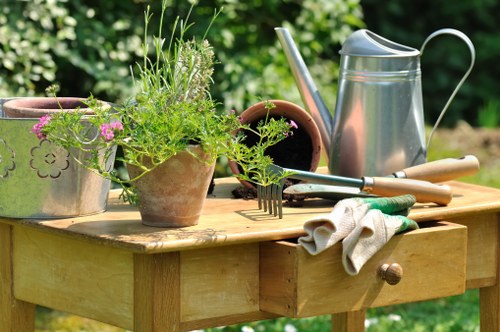 In practice, Gardener Lewisham aligns with the boroughs' approach to waste separation by separating food, garden and dry recycling streams at source. We collaborate with local transfer stations and household recycling centres to ensure material flows to the correct facilities. Typical recycling activities we support include:
- Segregation of green waste for composting and mulching
- Collection of paper, cardboard and mixed recyclables from site sheds
- Reuse programmes for pots, tools and timber
- Separate collection of soil and inert materials for appropriate transfer stations
Local transfer stations and circular partnerships
Gardener Lewisham maintains strong working relationships with local transfer stations and recycling hubs to minimise hauling distances and reduce emissions. By sending correctly sorted materials to borough transfer facilities and nearby resource recovery centres, we shorten the delivery chain and keep more material in local circular loops. We also advocate for the use of community compost hubs and civic re-use centres to maximize the value recovered from gardening residues.
Partnerships with charities and community groups are central to our model. We partner with local re-use charities, food redistribution organisations, community allotments and conservation groups to keep useful items in use and give surplus organic material to community food-growing projects. These relationships help us place usable soil, compost and reclaimed timber where they do the most good: in community gardens, school greenspaces and charity-run allotments.
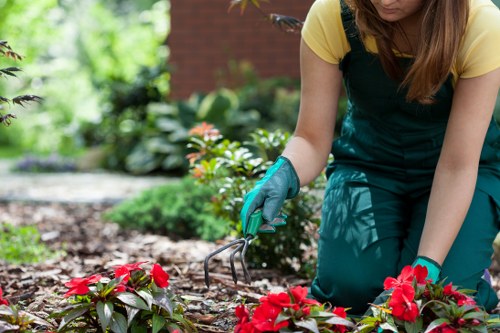 Our community collaborations include material donation pathways (pots, planting frames, paving slabs) and coordinated exchanges with local non-profits. These partnerships reduce waste and support social value by diverting resources from the waste stream into community benefit. Strong collaboration also supports job opportunities in repair, upcycling and green waste processing.
Sustainable transport: low-carbon vans and logistics
Transitioning our fleet to low-carbon vehicles is an essential part of creating an eco-friendly waste disposal area. Gardener Lewisham deploys a mix of electric vans, plug-in hybrids and highly efficient routing software to reduce mileage and emissions from collections and deliveries. Low-emission vehicles servicing transfer stations and community hubs help lower the carbon footprint of sustainable rubbish gardening area operations.
We also apply waste-minimising techniques on site: mobile composting, in-situ mulching, and consolidation of bulky loads. These measures mean fewer journeys to transfer stations and reduced pressure on borough waste handling infrastructure while maintaining compliance with local sorting requirements.
To measure progress we use regular audits, set operational KPIs and publish consolidated performance summaries internally. Targets, including the 70% recycling target, are monitored quarterly and adjusted against operational realities and improvements in borough services.
Implementing a truly sustainable rubbish gardening area requires hands-on practices and clear commitments. Our operational commitments include:
- Prioritise reuse: Reclaim and redistribute viable materials to charities and community projects.
- Maximise on-site composting: Turn green waste into certified compost for local use.
- Efficient logistics: Use low-carbon vans and route optimisation to minimise travel emissions.
- Transparent reporting: Track waste flows and recycling rates to deliver on our percentage target.
 How this benefits the borough: reduced landfill, improved soil health in community gardens, and more resilient local supply of compost and reclaimed materials. Our approach also supports the boroughs' waste separation initiatives by ensuring that garden operations feed correctly into municipal systems.
 In summary, Gardener Lewisham's recycling and sustainability strategy combines practical site-level action with strategic partnerships, low-carbon transport and clear recycling targets to create an accountable, circular approach to green waste. We envision a future where every garden contributes to a thriving, low-waste local ecosystem — an eco-friendly waste disposal area and a genuinely sustainable rubbish gardening area that benefits people, soil and the wider borough environment.