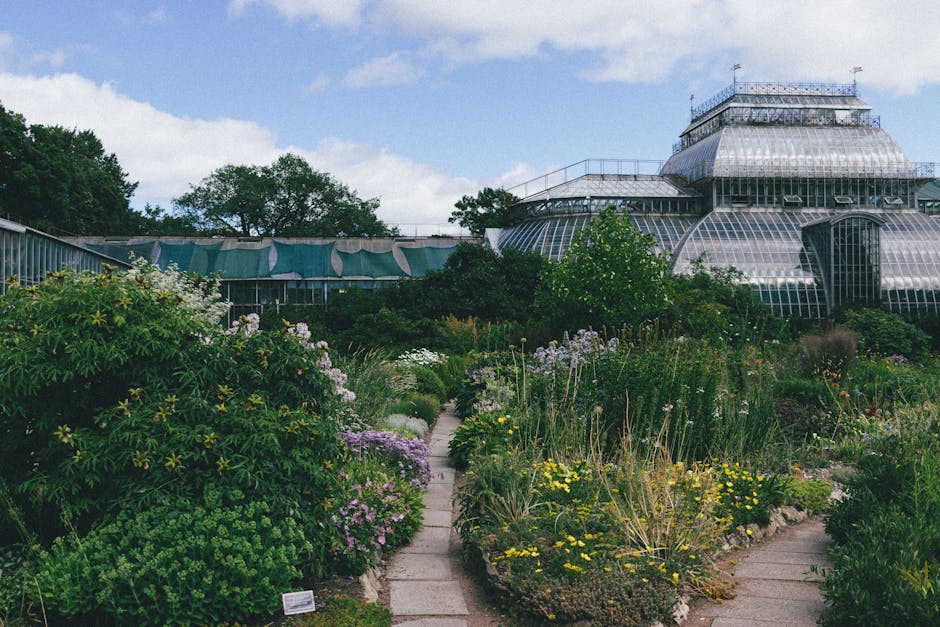
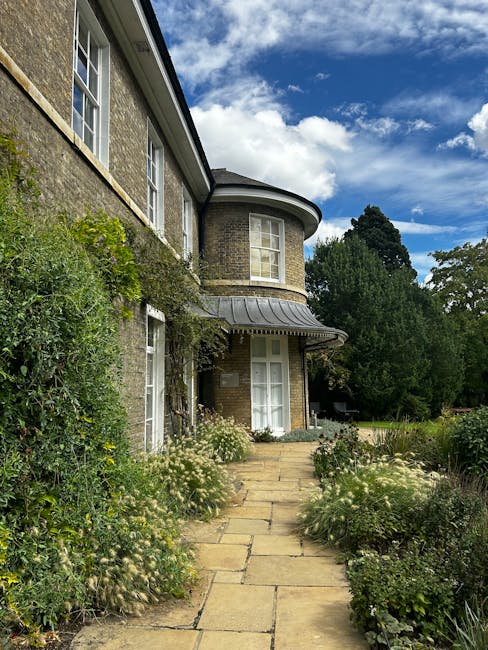
Horniman Museum garden gardeners listed compliance: what it means, why it matters, and how to get it right
If you are trying to make sense of Horniman Museum garden gardeners listed compliance, you are probably looking for something more practical than a vague definition. You want to know what "listed compliance" really means in a garden setting, why it matters around a heritage site like the Horniman Museum, and how gardeners can work safely, respectfully, and within the right expectations. Fair enough. It is exactly the kind of subject that sounds simple until you are the one responsible for getting it right.
In plain English, this topic sits at the meeting point of site sensitivity, maintenance standards, safety, and lawful working practice. That means the gardening approach cannot be casual. It has to respect the building, the landscape, visitors, neighbours, access routes, and any conditions that come with a listed or heritage context. Below, we break it down clearly so you can understand the compliance angle without wading through jargon. You will also find a checklist, a practical comparison table, and some grounded advice that helps when the pressure is on and the beds need doing before the weekend crowds turn up.
Why Horniman Museum garden gardeners listed compliance matters
Heritage and public-facing garden work is not the same as a quick tidy-up at a private home. Around a place like the Horniman Museum, the landscape is part of the visitor experience, the setting is part of the story, and even small mistakes can have outsized consequences. A poorly timed cut, a heavy machine used in the wrong place, or a contractor who does not understand the site's sensitivities can create damage that is expensive, visible, and avoidable.
That is why compliance matters. Not as a box-ticking exercise, but as a way of proving that the gardener understands how to work responsibly in a sensitive environment. Listed compliance, in this context, usually means the gardener or maintenance team is following the right permissions, conservation expectations, safety controls, and documentation needed for work close to protected or designated features. The detail will vary by site and scope, but the principle stays the same: protect the asset, protect people, and keep the garden usable.
There is also a trust issue here. When a museum or heritage venue brings in contractors, the standard is higher than "they seemed nice on the phone". The work has to look good, last well, and fit the site. That means any gardener working there should be able to explain what they are doing, why they are doing it, and what they will not do without approval. Truth be told, that last part matters just as much as the garden bed itself.
For readers comparing providers, it is useful to think about the broader service capability too. Teams that already handle garden maintenance, landscaping, or hedge trimming often have the discipline needed to work in a more controlled environment, provided they also understand the listed-site context.
How Horniman Museum garden gardeners listed compliance works
Listed compliance for garden work usually starts before anyone picks up a spade. First comes the site review: what parts of the garden are protected, what materials are present, what access routes are acceptable, and which tasks are routine maintenance versus more invasive work. That distinction is crucial. A simple mow is not the same as altering levels, removing mature planting, pruning a significant tree, or installing a new hard landscape element.
Then comes permission and method. The responsible team will normally check what needs approval, who signs it off, what the work sequence should be, and how the area will be protected during the job. If machinery, ladders, tree work, or waste removal are involved, the method statement should be even tighter. No drama. Just solid planning.
The practical side includes things many people overlook: where tools are parked, how debris is moved, when noisy work happens, how visitors are kept safe, and how clean-up is handled. A listed or museum garden can look serene from the outside while requiring a surprising amount of coordination behind the scenes. One contractor steps off a path for a second and suddenly you have soil on stone, trip hazards, and a conversation nobody wanted.
This is where sensible internal processes help. If a team can point to their health and safety approach, insurance and safety cover, and clear terms and conditions, that usually tells you a lot about how they work day to day.
In practice, listed compliance is a cycle:
- Assess the site and identify sensitive features.
- Confirm what work is routine and what may need approval.
- Agree the method, access, timings, and protection measures.
- Carry out the work carefully with the right tools.
- Inspect the result, clear the site, and record what was done.
Simple on paper. Slightly more involved in the real world, as you might expect.
Key benefits and practical advantages
Good compliance is not just about avoiding trouble. It makes the garden better to manage, better to present, and easier to explain to stakeholders. That is especially valuable in a museum setting where different people may care about the space for different reasons: curators, facilities managers, visitors, neighbours, and the maintenance team itself.
- Reduced risk of damage: Sensitive planting, historic features, edging, and paths are less likely to be harmed.
- Cleaner decision-making: Everyone knows what is allowed, what needs sign-off, and what must wait.
- Better public safety: Safer working methods matter when visitors may be nearby.
- More consistent appearance: The garden stays presentable without cutting corners.
- Easier contractor management: Work scopes are clearer, so misunderstandings are less likely.
There is also a softer benefit that often gets missed: confidence. When the people responsible for the site know the work has been planned properly, they relax a little. Not completely, obviously. But enough to focus on the next thing instead of worrying whether the planting scheme will survive the week.
For sites looking at wider support, services like services overview pages can help frame what a provider actually covers, while garden clearance or lawn mowing may be relevant for routine care that still needs a controlled, professional approach.
Who this is for and when it makes sense
This topic matters most to site managers, facilities teams, heritage coordinators, gardeners, landscape contractors, and anyone responsible for maintaining a public garden that sits within a protected or historically sensitive environment. It also matters if you are a contractor trying to win the work and you want to show that you understand the bigger picture rather than just the plant list.
It makes sense whenever the work goes beyond basic tidying. For example:
- when pruning could affect the shape or maturity of established planting;
- when access is restricted by visitor flow or fragile surfaces;
- when hard landscaping elements sit close to protected features;
- when waste has to be removed without disrupting the site;
- when a museum or heritage body wants proof of safe working practice.
It is also relevant for teams working seasonally. Spring growth can look harmless until you are halfway through a bed and realise the interface between weeds, bulbs, and historic edging is a bit more delicate than it first appeared. That is usually the moment everyone becomes very interested in "compliance".
If you are comparing providers, a company with a visible commitment to who they are and how they work can be easier to trust than one that only talks about speed and price. That said, pricing still matters, and it should be discussed openly through pricing and quotes rather than guessed at in the dark.
Step-by-step guidance
If you are handling Horniman Museum garden gardeners listed compliance in a practical way, the following process is a strong starting point. It is not flashy, but it works.
1. Define the work clearly
Separate routine maintenance from anything that alters structure, layout, or protected features. Mowing, deadheading, and light tidying are one thing. Tree removal, major regrading, or replacing surfaces is another matter entirely.
2. Identify what is sensitive
Look for historic stonework, old paths, original layout lines, specimen trees, drainage features, or planted areas that form part of the garden's character. If you are unsure, stop and ask. Better a short delay than a messy repair job later.
3. Confirm permissions and approvals
Some work may be fine as maintenance, while other work may need sign-off before it begins. The exact requirement depends on the site and the nature of the intervention. The key is not to assume.
4. Plan access and protection
Decide where tools enter and leave the site, how materials are stored, and how surrounding surfaces will be protected. Use boards, barriers, or controlled access where appropriate. Museum spaces can be surprisingly busy, even on days that look quiet at first glance.
5. Use the right equipment and timing
Choose tools that suit the setting. Lightweight, precise tools are often better than heavy kit, especially near paths or planted borders. Noise, dust, and vibration should also be considered. Early morning may be efficient, but not if it causes avoidable disruption.
6. Record what was done
Keep a simple record of work completed, any issues found, and any follow-up required. That record is helpful for continuity, especially when different teams or contractors may revisit the site later.
7. Review and adjust
After the job, check the result against the original brief. If something looked awkward, unstable, or out of place, note it early. Small issues are easier to correct while they are still small. Everyone knows that, but not everyone does it.
Expert tips for better results
One of the most useful habits in heritage garden work is to slow down at the edges. Edges of beds, edges of lawns, edges of paths, edges of assumptions. That is where most mistakes begin. A careful gardener knows that the "easy" bit is rarely the bit that causes trouble.
Here are a few practical tips that make a real difference:
- Walk the site before every job: Conditions change. A bed that looked fine last week might now hide soft ground, nesting activity, or a new access issue.
- Use the least invasive method first: Start with the gentlest approach that achieves the task.
- Work with the site, not against it: If a path floods after heavy rain, adjust the approach instead of forcing the same plan through.
- Keep communication short and clear: Heritage sites do not benefit from vague instructions. "Trim lightly and leave structure intact" is much better than "just neaten it up".
- Respect the visual line of the garden: At a museum, sightlines matter. A misplaced pile of waste or an overcut hedge can change how the space feels from the entrance.
When larger interventions are needed, it helps to bring in related capabilities from the same team, such as tree lopping and removal for controlled arboricultural tasks or landscape gardening when broader design-aware changes are being considered. Different jobs, different discipline.
Common mistakes to avoid
Let's face it, most compliance problems do not come from one dramatic mistake. They come from a handful of small assumptions that stack up. That is why it is worth calling them out plainly.
- Assuming maintenance equals permission: Some work is routine, some is not. Do not blur the line.
- Using heavy equipment by default: Bigger is not always better. In a sensitive garden, it can be the opposite.
- Skipping the site briefing: A five-minute walk-through can prevent hours of rework.
- Ignoring waste handling: Spoil, clippings, and arisings need a clear removal plan.
- Forgetting visitors and staff: Safety is not just for the work crew. It is for everyone moving through the area.
- Over-pruning: This is a classic. A hedge trimmed too hard can look harsh for months.
- Failing to document decisions: Memory is not a compliance system. Annoying, but true.
A surprisingly common problem is the "we'll just do this bit while we are here" mindset. Harmless sounding. Occasionally expensive. In a listed or museum environment, small changes can have knock-on effects, so the safest course is to keep the scope tight and the sign-off clear.
Tools, resources and recommendations
The best toolkit depends on the site, but in listed or heritage garden settings, the priorities are usually precision, control, and low impact. That can mean hand tools in one area, battery equipment in another, and protective materials wherever surfaces are vulnerable.
| Need | Practical method | Why it helps |
|---|---|---|
| Light maintenance | Hand tools and careful manual cutting | Better control near borders, edging, and delicate planting |
| Regular mowing | Appropriate mower size and mowing pattern | Cleaner finish with less disturbance to the site |
| Access protection | Boards, barriers, and agreed walkways | Reduces wear on paths and minimises accidents |
| Waste control | Scheduled clearance and segregation of materials | Keeps the garden tidy and avoids clutter |
| Planning | Job brief, site notes, and follow-up record | Improves continuity and accountability |
For many clients, the most useful "resource" is actually a provider that already has a structured way of working. Pages such as recycling and sustainability can show how green waste is handled thoughtfully, while payment and security can help set expectations around admin and trust.
If you are trying to compare providers, ask yourself: do they think in terms of the site, or only the job? That one question tells you a lot.
Law, compliance, standards, or best practice
Because this subject touches heritage sensitivity, public safety, and contractor controls, it is wise to treat compliance carefully. The exact legal and permission requirements will depend on the site status, the nature of the work, and the bodies responsible for the land or building. For anything that may affect a listed structure, protected feature, or significant site character, the safest assumption is that you need to check before proceeding.
In UK practice, good compliance usually means aligning with the following principles:
- Do not assume routine status: Some garden tasks are genuinely maintenance; others may be classed as alteration or intervention.
- Use proportionate controls: The more sensitive the site, the more careful the method statement and supervision should be.
- Protect public safety: Work should be planned around visitor movement, temporary hazards, and clear access routes.
- Keep insurance and competence in order: Contractors should be able to show that they are suitable for the work they are carrying out.
- Respect conservation intent: A listed or heritage garden is not just a planting area. It often has historical, visual, or cultural value that should not be eroded quietly over time.
The practical takeaway is simple: if the task could change the appearance, structure, or condition of a protected garden area, it needs a higher level of care than ordinary domestic gardening. That is not overkill. It is sensible stewardship.
If you need a provider that can handle the broader working conditions as well as the garden itself, it helps to see how they approach their wider obligations through pages like accessibility statement, complaints procedure, and modern slavery statement. Those do not solve the gardening task, of course, but they do signal a more complete business culture.
Options, methods, or comparison table
Different approaches suit different levels of sensitivity. Here is a simple comparison to help you decide what kind of gardening control is most appropriate.
| Approach | Best for | Strengths | Limitations |
|---|---|---|---|
| Routine maintenance only | Regular upkeep with low-risk tasks | Fast, efficient, minimal disruption | Not suitable for anything that changes the site |
| Conservation-aware gardening | Sensitive heritage settings | Balances appearance with protection | Needs more planning and oversight |
| Landscape-led intervention | Areas needing design changes or upgrades | Can improve function and presentation | Usually requires more permissions and coordination |
| Reactive tidy-up | Urgent presentation fixes | Quick visible improvement | Often weakest for long-term compliance and continuity |
For a site like the Horniman Museum garden context, conservation-aware gardening is often the sweet spot. It gives enough structure to keep the space neat and safe without turning the place into a construction zone. Nobody wants that. Not even close.
Case study or real-world example
Imagine a maintenance team arriving on a cool morning in late spring. The grass is damp, the borders are full, and the entrance path is already seeing foot traffic from early visitors. The brief sounds simple: tidy the garden, refresh the edges, and keep the area presentable for the week ahead.
On site, though, the team notices that one bed edge sits close to a historic path line, and the hedge line frames a view that visitors clearly use as a reference point. Instead of cutting hard and moving fast, they pause. They confirm the scope, protect the path, use lighter equipment, and keep the waste removed in small loads rather than piling it up beside the route. A small adjustment, but a smart one.
The result is not just a neat garden. The garden still looks like itself. The path stays clear, the visitors do not have to dodge tools, and the manager does not spend the afternoon wondering whether the work overstepped the mark. That is the real win.
In situations like this, the value of an experienced team shows up quietly. You notice it in the lack of fuss. In the calm. In the way the job seems almost uneventful from the outside, which is exactly how well-managed compliance should feel.
Practical checklist
Use this checklist before work begins on a listed or heritage-sensitive garden site:
- Confirm the scope of work in writing.
- Identify any protected, historic, or visually sensitive features.
- Check whether the task is routine maintenance or requires approval.
- Agree access routes, working hours, and visitor safety controls.
- Choose low-impact tools where possible.
- Protect surfaces, borders, and nearby structures.
- Plan waste handling and removal before the job starts.
- Make sure the team knows who signs off any change in scope.
- Record what was completed and any issues found.
- Review the result against the original brief before closing the job.
Expert summary: The safest way to handle Horniman Museum garden gardeners listed compliance is to treat the garden as a sensitive, public, and heritage-aware environment first, and a maintenance job second. That mindset prevents most avoidable problems.
Conclusion
Horniman Museum garden gardeners listed compliance is really about doing the work with care, context, and proper control. The garden needs to look good, yes, but it also needs to be protected as part of a larger cultural and public space. That means clear scope, careful methods, sensible permissions, and a team that understands the difference between routine tidying and work that changes the site.
If you are responsible for choosing a contractor or planning the next maintenance cycle, the best move is to ask practical questions early and look for signs of real discipline. How do they protect the site? How do they handle waste? How do they manage safety? If they can answer those well, you are already in better shape than most.
Get a free quote today and see how much you can save.
And if you are still weighing it all up, that is fine. Take the time. A well-kept garden has a way of rewarding patience, and so do the people who look after it properly.
Frequently Asked Questions
What does Horniman Museum garden gardeners listed compliance actually mean?
It refers to working in a garden linked to a listed or heritage-sensitive site in a way that respects permissions, safety, conservation expectations, and the site's visual character.
Is listed compliance the same as ordinary garden maintenance?
No. Routine maintenance can be part of listed compliance, but the compliance side adds extra care around approvals, protection of sensitive features, and how the work is carried out.
Do gardeners need special permission for every task?
Not necessarily. Light maintenance may be routine, while anything that alters structure, layout, materials, or protected features may need approval. The exact requirement depends on the site and job.
Why is compliance so important around a museum garden?
Because museum gardens are public-facing, often highly visible, and sometimes historically significant. Mistakes can affect safety, appearance, and the long-term condition of the site.
What should a compliant gardener be able to show?
They should be able to explain the scope, the method, safety controls, insurance, and how they protect the site. Records and clear communication help too.
How do I know if a gardening task is too invasive?
If it changes the shape, structure, materials, or character of the garden, it may be invasive rather than routine. When in doubt, pause and check before proceeding.
Can hedge trimming or mowing still be subject to compliance checks?
Yes, depending on location and sensitivity. Even straightforward tasks can need controls if they affect visitor safety, protected features, or the character of the site.
What are the biggest risks of poor compliance?
The main risks are damage to heritage features, unsafe working conditions, poor presentation, misunderstandings about scope, and avoidable repair costs.
How does a gardener reduce disruption at a busy site?
By planning access carefully, using the right tools, controlling noise and debris, and scheduling work around visitor flow where possible.
Should I choose the cheapest quote?
Not automatically. Price matters, of course, but heritage or listed-site work needs competence, planning, and reliability. A very cheap quote can end up costing more if the work is done badly.
What kind of services are useful alongside listed-site gardening?
Depending on the brief, services such as garden maintenance, landscape gardening, garden clearance, lawn mowing, hedge trimming, and tree work may all play a role. The key is matching the service to the level of sensitivity.
Where should I start if I need help with this kind of work?
Start by defining the site, the scope, and the sensitivity of the area. Then speak to a provider who can explain their process clearly and show a practical understanding of safety, compliance, and presentation.